The Rise of Cute Animals in Design: A Trend That’s Here to Stay
In today's fast-paced digital world, where attention spans are fleeting and visual appeal is paramount, the use of Cute Animals in design has become a powerful tool for creators, marketers, and entrepreneurs alike. From playful illustrations to branded merchandise, cute animals have found their way into every corner of creative industries. This trend is not just about aesthetics—it reflects broader shifts in consumer behavior, technological advancements, and evolving design preferences.
What Are Cute Animals in Design?
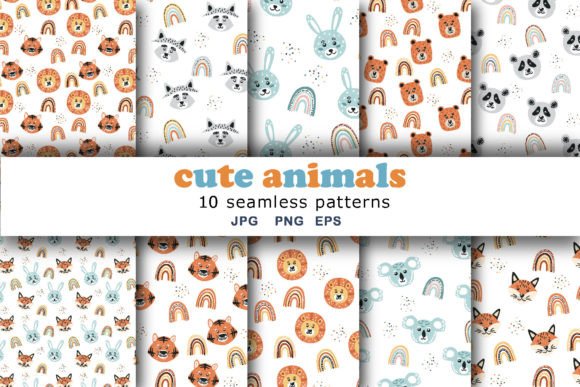
Cute Animals refer to stylized representations of animals that evoke feelings of affection, playfulness, and innocence. These characters are often used in graphic design, branding, marketing, and digital content to create emotional connections with audiences. Common examples include pandas, koalas, raccoons, hares, tigers, lions, bears, and foxes—all of which are known for their distinctive features and endearing personalities.
Designers leverage these adorable creatures to craft visuals that resonate with both children and adults. The funny animal patterns associated with these creatures add an extra layer of charm, making them ideal for a wide range of applications—from website headers to mobile app interfaces.
The Broader Industry Context
The integration of Cute Animals into design is not an isolated phenomenon. It aligns with several larger trends across industries such as technology, lifestyle, and consumer goods. For instance, the rise of digital minimalism has led to a preference for clean, simple, and emotionally engaging visuals. Cute animals fit this mold perfectly by offering a balance between simplicity and expressiveness.
Moreover, the growing emphasis on user experience (UX) design has made it essential for brands to create content that is not only functional but also emotionally appealing. Cute animals serve as effective tools for reducing cognitive load and increasing user engagement. Their presence can make even the most complex interfaces feel approachable and friendly.
Market Trends and Consumer Preferences
Consumers today are more conscious than ever about the messages they receive through media and design. They seek authenticity, relatability, and emotional resonance. In this context, cute animals offer a unique opportunity to connect with audiences on a personal level. Whether it's a brand using a panda as its mascot or a mobile app featuring a fox as a character guide, these choices speak directly to the values and emotions of the target audience.
Additionally, the popularity of social media platforms like Instagram, TikTok, and Pinterest has amplified the reach of cute animal designs. These platforms thrive on visually appealing and shareable content, and cute animals naturally lend themselves to this format. As a result, creators who incorporate these elements into their work often see increased visibility and engagement.
Why People Are Paying Attention
The attention being given to Cute Animals in design stems from a combination of psychological, cultural, and technological factors. Psychologically, cute animals trigger what is known as the "cute response," which involves heightened attention, positive emotions, and a desire to care for or protect the subject. This makes them highly effective in capturing and retaining audience attention.
Culturally, there is a growing appreciation for inclusivity and diversity in design. Cute animals come in various forms and styles, allowing designers to cater to different tastes and demographics. Whether it's a cartoonish raccoon or a realistic hare, there's something for everyone.
Technologically, the availability of high-quality digital assets—such as EPS, JPEG, and PNG files—has made it easier than ever for professionals to integrate cute animals into their projects. With access to pre-designed sets like the one described here, which includes 10 EPS files, 10 JPEG files, and 10 PNG files on transparent backgrounds, designers can quickly and efficiently bring their visions to life without compromising on quality.
Practical Examples and Observations
Consider a scenario where a startup wants to launch a new app aimed at children. By incorporating a set of funny animal patterns—like a playful tiger or a mischievous raccoon—the app becomes instantly recognizable and memorable. These characters act as visual anchors, helping users navigate the interface while also reinforcing the brand's identity.
Another example is in the realm of print-on-demand products. Entrepreneurs selling custom T-shirts, mugs, or phone cases can use cute animal designs to stand out in a crowded marketplace. The versatility of these designs allows for endless variations, ensuring that each product feels unique and personalized.
Even in corporate settings, cute animals are finding their place. Companies are using them in internal communications, team-building activities, and even in presentations to inject a sense of fun and creativity into otherwise formal environments.
The Future of Cute Animals in Design
As we look ahead, it's clear that the role of Cute Animals in design will continue to evolve. With the rise of artificial intelligence and generative design tools, we may soon see more dynamic and interactive animal characters integrated into digital experiences. These tools could allow for real-time customization, where users can interact with and modify animal designs based on their preferences.
Furthermore, as sustainability becomes a key concern for consumers, we might see a shift towards eco-friendly materials and processes in the production of physical items featuring cute animal designs. This would align with the growing demand for ethical and responsible consumption.
For professionals and creators, staying attuned to these developments means not only embracing the current trend but also anticipating future opportunities. By understanding the emotional and psychological impact of cute animals, designers can create work that resonates deeply with their audiences and stands out in a competitive landscape.
Conclusion
Cute Animals are more than just charming illustrations—they are a reflection of our changing world, shaped by technology, culture, and consumer behavior. Their presence in design offers a unique blend of functionality and emotion, making them invaluable for anyone looking to connect with their audience in a meaningful way.
Whether you're a marketer, entrepreneur, freelancer, or enthusiast, incorporating cute animals into your work can open up new possibilities and drive greater engagement. As the industry continues to evolve, those who embrace this trend will find themselves well-positioned to create impactful and lasting designs that speak directly to the hearts of their audience.